
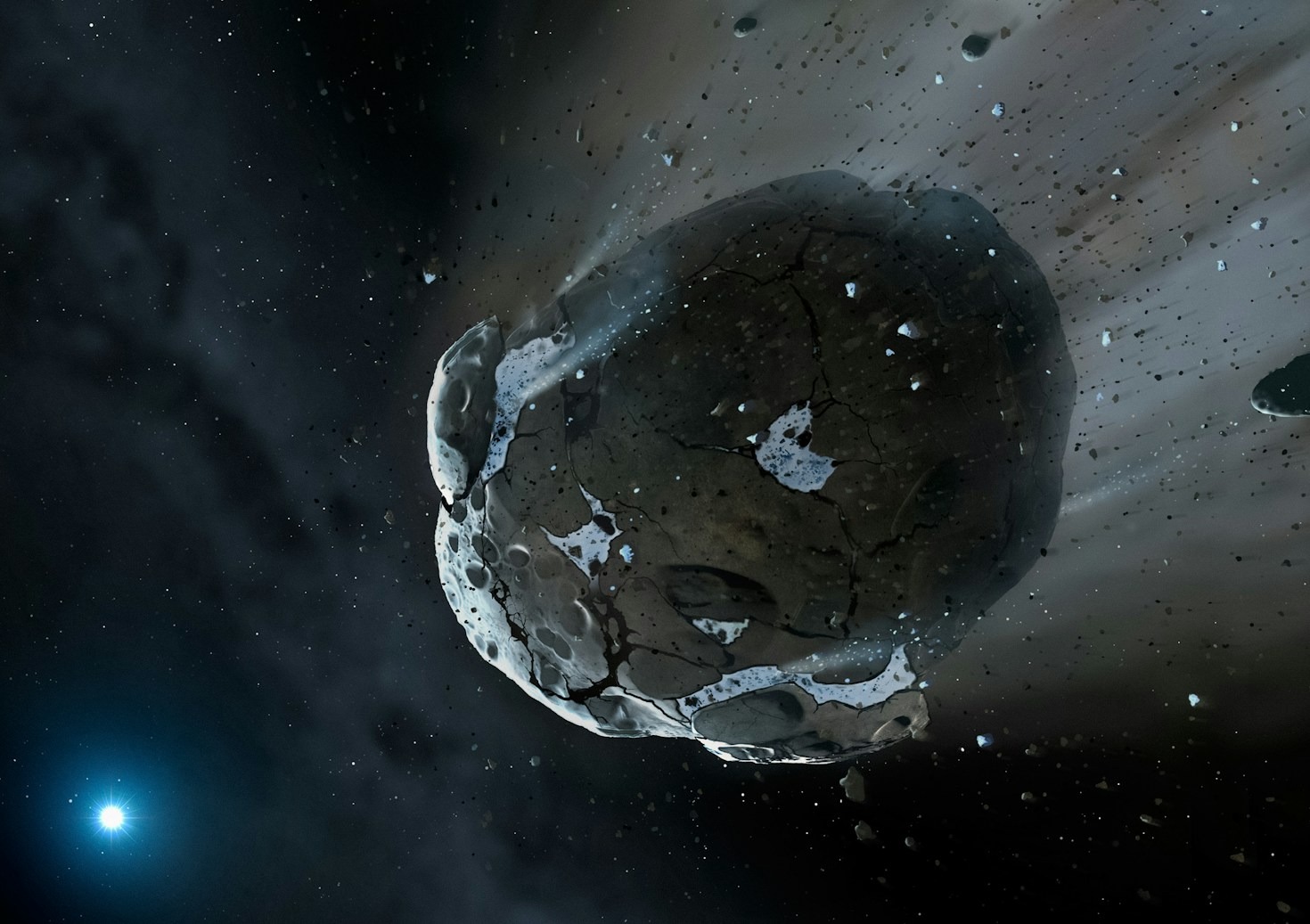
Accessing fuel in space is one of the biggest barriers to true deep-space exploration. The dream of reaching Mars — and staying there — remains out of reach unless we can place roughly 20,000 kilograms of usable propellant into orbit. Launching that much mass from Earth is expensive, inefficient, and unsustainable at scale. Every mission currently depends on lifting all of its fuel out of Earth’s gravity well, which turns exploration into a series of one-off achievements rather than a permanent expansion outward. If humanity is serious about moving beyond short visits and into long-term presence, fuel cannot remain an Earth-only resource.
Sometimes, the simplest moments hold the deepest wisdom. Let your thoughts settle, and clarity will find you. Use this quote space to share something inspirational or reflective, perfectly aligned with the theme of your article.
The practical reality is that fuel determines everything about a mission: how far it can go, how long it can stay, and whether it can return. Transporting tens of thousands of kilograms of propellant from Earth requires multiple heavy launches and complex orbital assembly, increasing both cost and risk. Alternatives like in-space refueling, fuel depots, and resource extraction from the Moon or asteroids offer a way to break this dependency. Water ice, for example, can be split into hydrogen and oxygen for rocket propellant, turning local material into usable energy. These approaches reduce the need for constant Earth launches and create the foundation for reusable infrastructure in orbit and beyond.
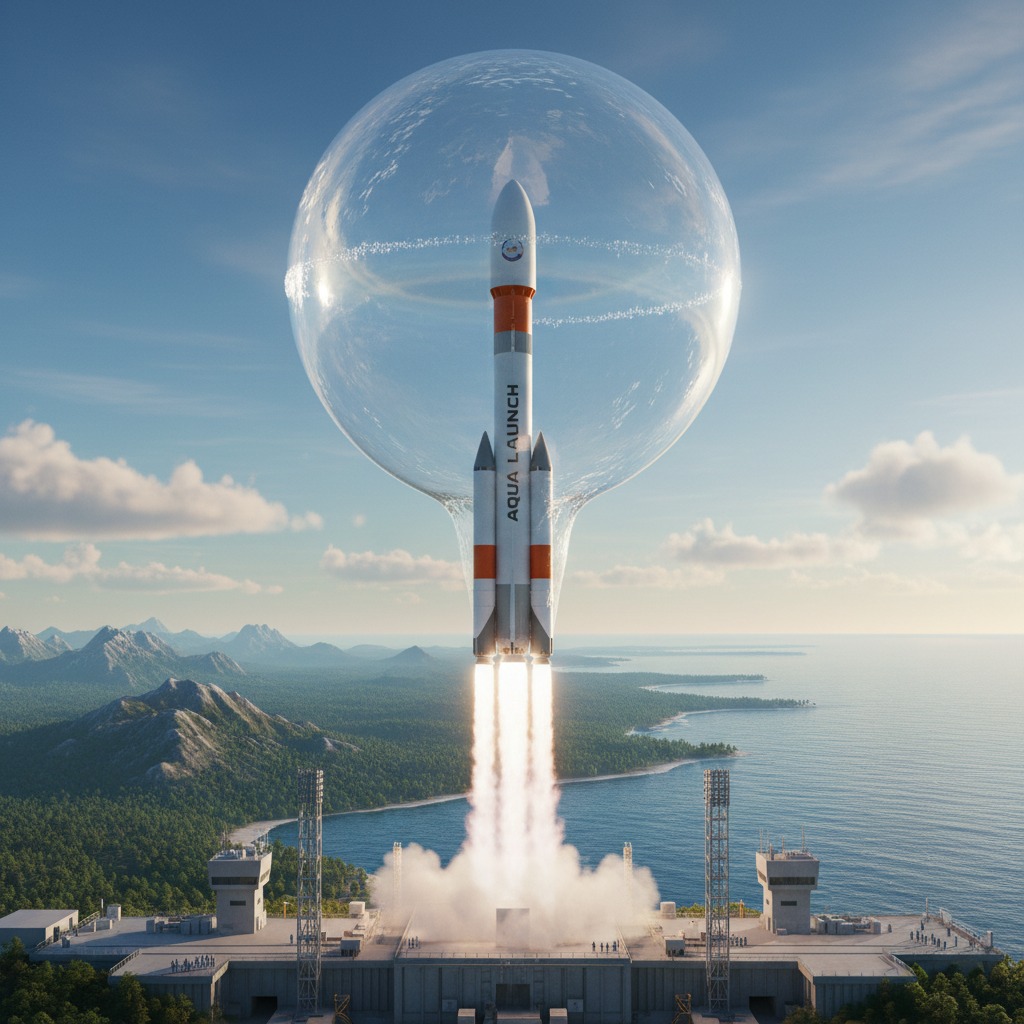
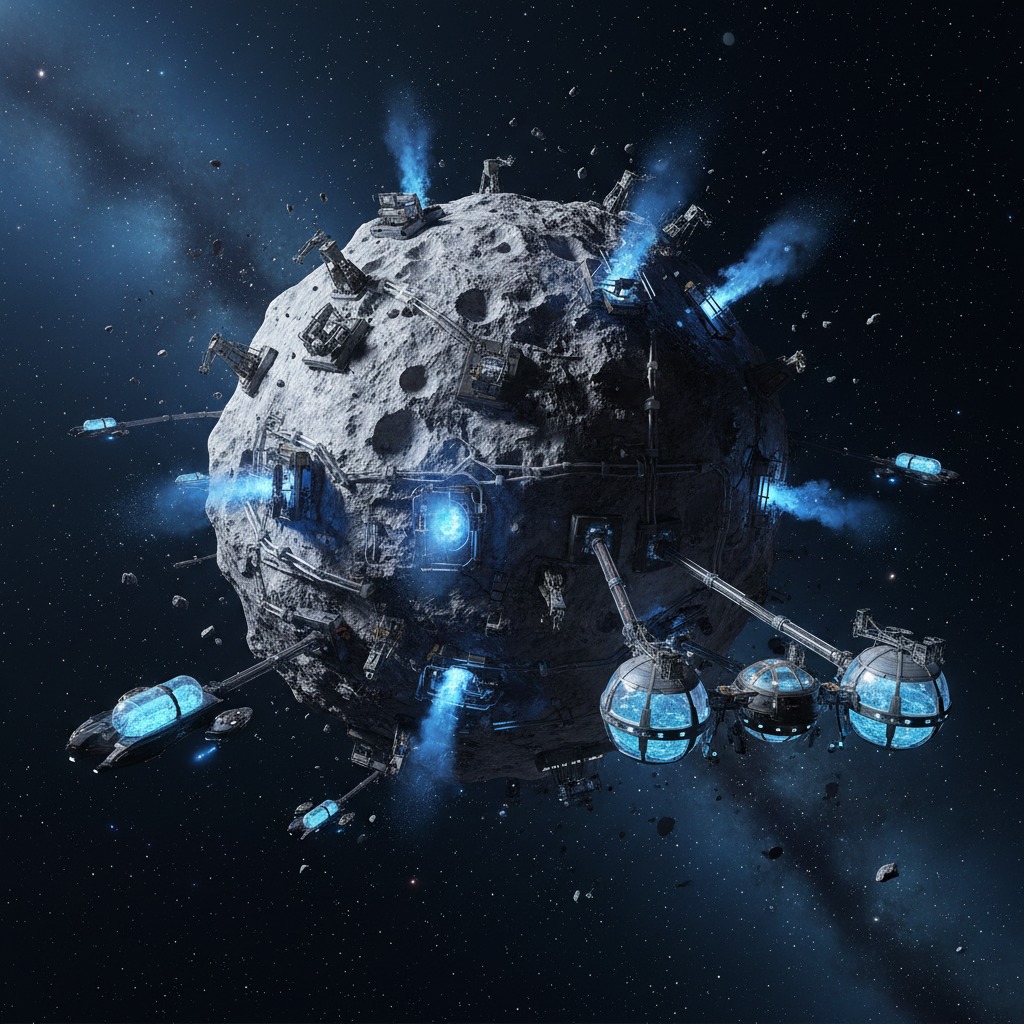
This raises important questions about where investment and innovation should focus. Is it more effective to build larger rockets, or smarter systems? While bigger launch vehicles can solve some problems in the short term, they do not change the underlying equation. Sustainable exploration depends on building supply chains in space rather than exporting everything from Earth. By developing methods to harvest, store, and distribute fuel off-planet, missions become more flexible and less fragile. This also opens the door to longer stays, safer return paths, and the ability to respond to unexpected challenges without relying entirely on Earth-based support.
The Key to the Inner Solar System
Fuel is not just a technical requirement; it is the key constraint shaping the future of space exploration. Without a reliable way to source and store propellant in orbit, Mars will remain a destination we can visit only rarely and at great cost. By shifting toward in-space resource use and sustainable logistics, exploration becomes something continuous rather than episodic. The challenge is not simply reaching Mars, but building the systems that make getting there routine. When fuel is no longer tied exclusively to Earth, the path outward becomes not just possible, but practical.
Leave a Reply